
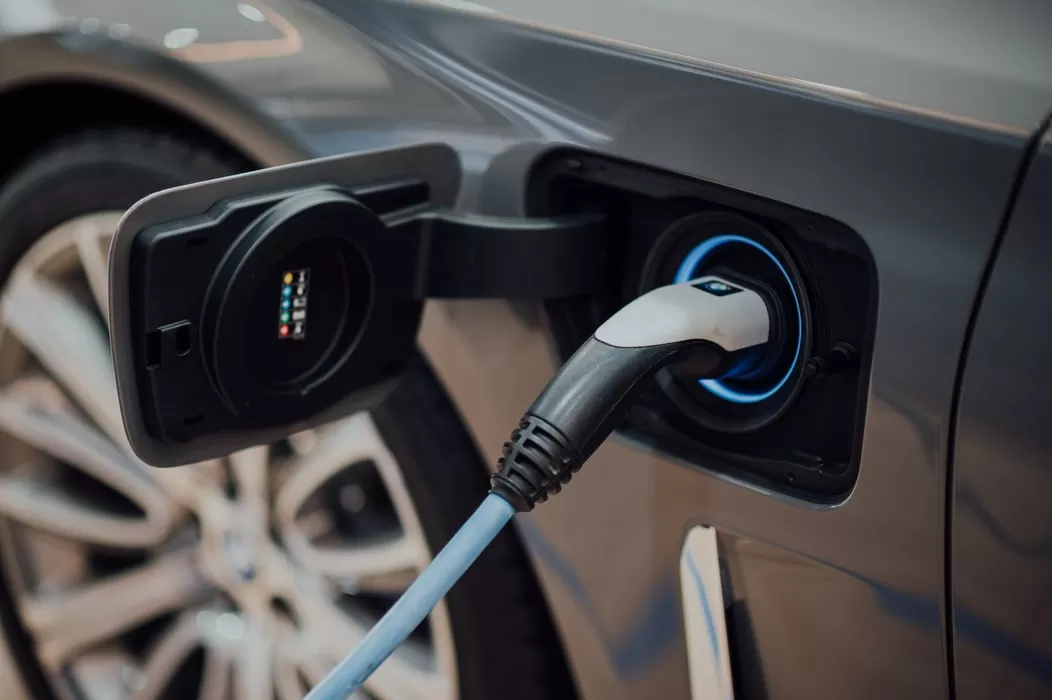
The Eurecat technology centre is coordinating the European Marbel project equipped with an €11,703,385 budget. It is developing an innovative and competitive lightweight battery with a longer useful life, improved efficiency, higher energy density and shorter charging times to fast-track mass market uptake of electric vehicles.
Marbel is to design, develop and demonstrate a new compact, modular, weight-optimised and high-performance battery pack with longer life and greater energy efficiency in charging and energy use. It is built around a robust and flexible battery management system (BMS) coupled with ultra-fast battery charging and cooling.
The project “will take a global approach to the battery box, mainly addressing the performance of the batteries from manufacture to the end of their useful life while also developing materials for the battery housing systems in the vehicle,” said Daniel Casellas, Eurecat’s scientific director. He was speaking during the technology centre’s attendance at the ITS World Congress, a flagship event for smart mobility and transport digitalisation which is being held this week in Hamburg, Germany.
“The modularity and versatility achieved with the new design, the advanced and flexible BMS to be implemented, automated manufacturing and disassembly of the battery and its subcomponents, adding artificial intelligence and the innovative validation addressed by the project will make it possible to streamline repair, servicing and recycling processes while preserving the value of new batteries and reducing hazards for operators, the cost and environmental impact,” added Frederic Clarens, director of Eurecat’s Waste, Energy and Environmental Impact Unit.
The project “will have a huge impact on electric vehicles, battery innovation and lightweight vehicle construction,” argued Eduard Piqueras, head of European Programmes at Eurecat and Marbel’s coordinator. It is also expected to foster uptake and use of this type of vehicle by resolving two of the main critical barriers in consumer decision-making, namely the vehicle’s limited range and its charging time, thereby making it possible to cover longer distances.
The Marbel project hardwires sustainability and circular economy principles into all its activities and goals. This means “Marbel partners will draw on secondary raw materials, work on developing a more resource-efficient battery system and ensure its easy disassembly, refurbishment and reuse for second-life applications,” pointed out Alberto Gómez, head of the Electric Mobility and Energy Storage Research Department at Eurecat and Marbel’s technical coordinator.
On Eurecat’s side, its Waste, Energy and Environmental Impact Unit is coordinating the project at the technical level and supervising battery pack requirements and guidelines in terms of safety, functionality, second life, circular economy, recycling and eco-design. The Unit is supporting disassembly and assembly and devising new performance and safety test procedures while also assessing the lifecycle of the project’s processes and products. It additionally delivers electrochemical and thermal modelling to help enhance battery use efficiency in conjunction with the Water, Air and Soil Unit.
Meanwhile, Eurecat’s Product Development Unit will lead the modular design of the battery and topology optimisation of its box and help with its manufacture. The Metal and Ceramic Materials Unit is developing the recycled aluminium alloys needed for this future box and is supporting its design and optimisation of the geometric shape of the profile.
The project is funded under the European Union’s H2020 programme. The Marbel consortium brings together 16 partners from eight countries. It is made up of six research centres (Eurecat, the project coordinator, the Catalonia Energy Research Institute (IREC), SINTEF, Institute of Communication and Computer Systems ICCS Athens, Technische Hochschule Ingolstadt and Fraunhofer IWU), an automotive engineering company (Applus IDIADA), two SMEs (Powertech Systems and OTC Engineering), an OEM (Centro Ricerche Fiat – CRF) and five component manufacturers (FICOSA and AVL Thermal, HVAC and AVL Italia, ASAS Aluminyum Sanayi Ve Ticaret Anonim Sirketi, Agrati and Tes-Recupyl).


