

The Eurecat technology centre has expanded its technological capabilities to provide comprehensive support across the entire circular textile value chain, from fibre design and development to recycling and reuse, with particular focus on covering all stages of innovation in this field — an area estimated to grow to €31 billion in Europe by 2030 and generate around 90,000 jobs.
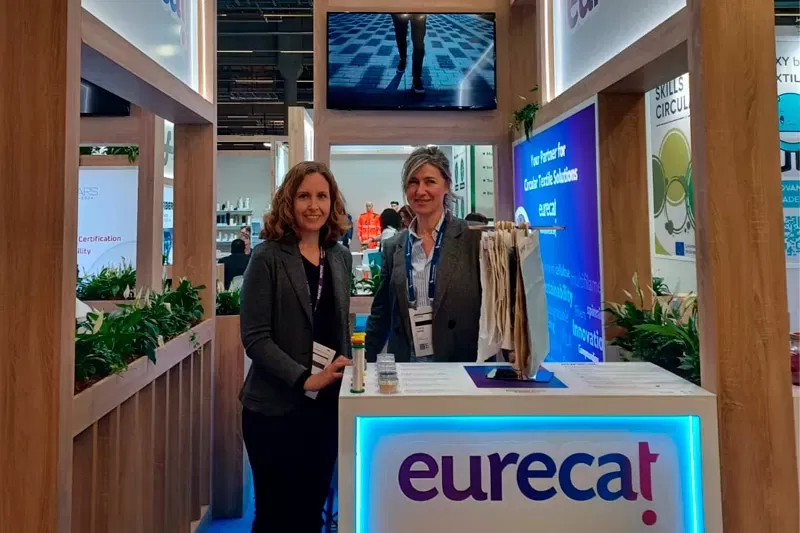
At the Techtextil trade fair, held in Frankfurt, Eurecat presented its expertise for the transformation of the textile sector, based on complete recycling solutions covering mechanical, chemical and enzymatic recycling, as well as thermochemical processes, wastewater treatment, chemical recovery, energy recovery and pyrolysis, with the aim of closing the loop on textile materials.
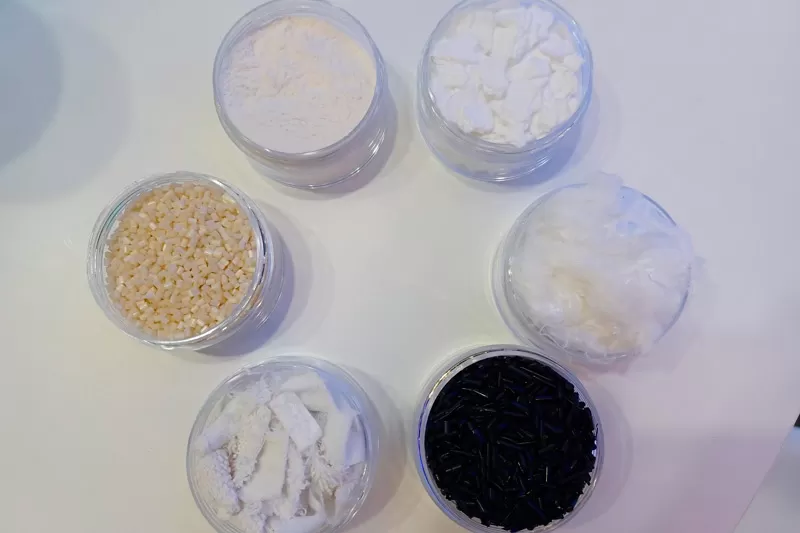
The technology centre has also showcased new technologies for the development of polymeric fibres of synthetic, recycled or renewable origin, and of regenerated fibres from natural polymers, cellulose, alginate and chitosan, for the manufacture of sustainable fibre alternatives.
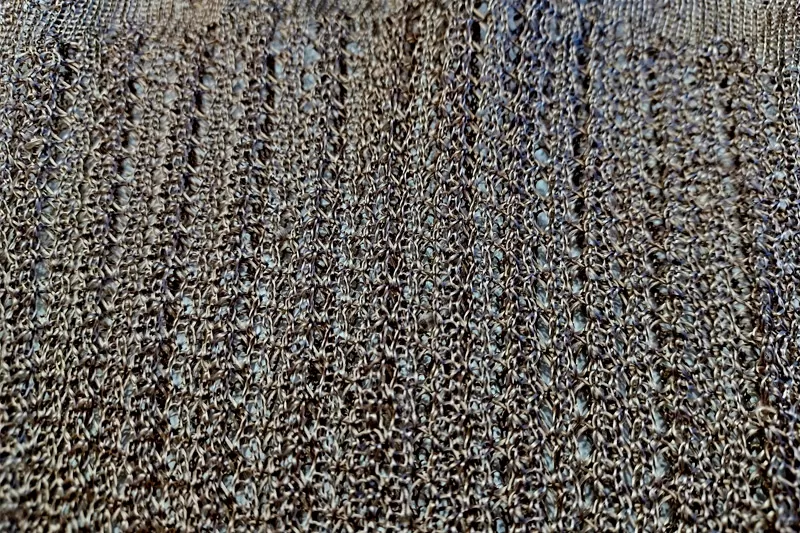
It also supports the design and development of complex textile structures using various fabric production methods and technologies, and is a leader in technologies that enable the hybridisation of materials to improve performance and functionality.
Product design and development and zero-defect manufacturing
Eurecat is an expert in concept development, in the optimisation of functionality, aesthetics, ecodesign and life cycle assessment, as well as in recyclability, sustainable design and improving durability to ensure that products meet market and environmental requirements.
In addition, together with the textile machinery manufacturer Canmartex, Eurecat has set up the spin-off Aracne, which has developed a system that predicts imperfections occurring in circular knitting machines caused by the condition of critical machine components, such as needles and sinkers, making it possible to reduce production defects by more than 60 per cent, thereby decreasing material waste in the manufacturing process and, consequently, the environmental impact.


