
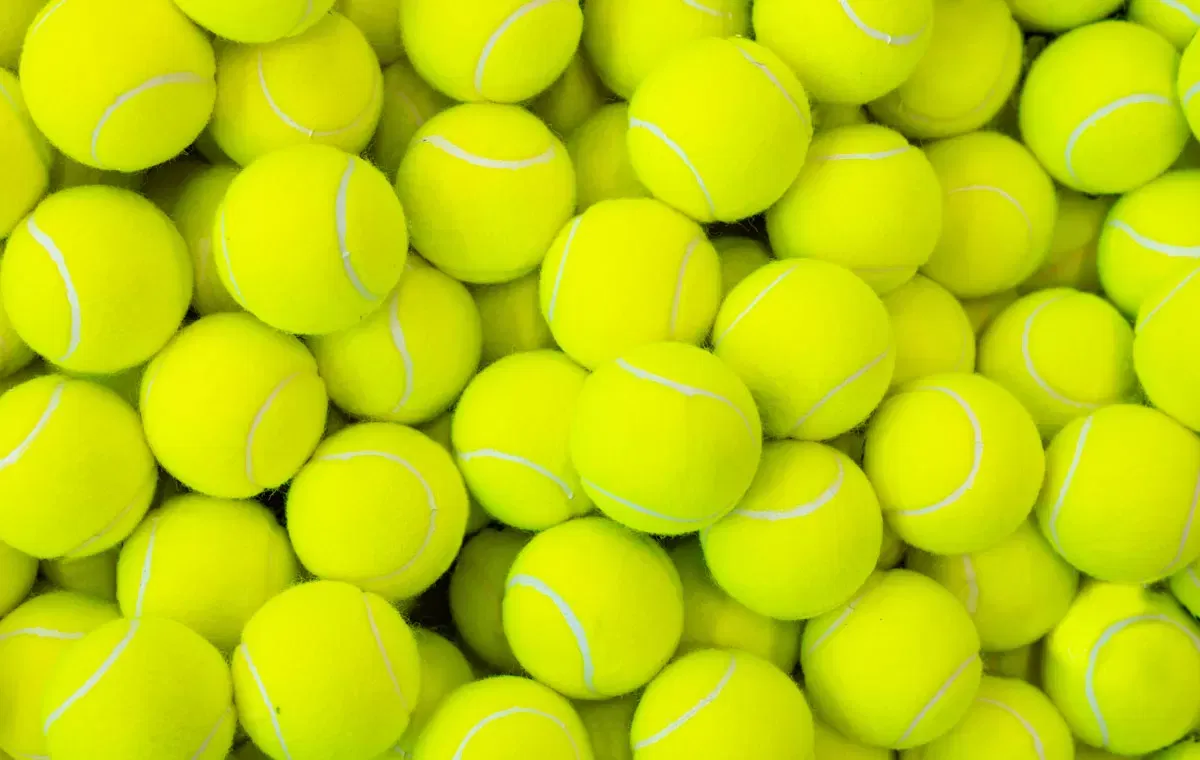
The Eurecat technology centre has teamed up with SecondSet to conduct a groundbreaking trial designed to recover end-of-life tennis balls and use them to develop a sustainable thermoplastic material. The results are being unveiled this week at the Advanced Factories fair taking place in Barcelona.
This is “a circular economy initiative which paves the way to developing new sustainable sporting goods made from rubber recovered from end-of-life padel and tennis balls,” says María Eugenia Rodríguez, the director of the Composite Materials Unit at Eurecat.
The idea is that the tests performed might be “the starting point for the generation of a range of innovative and sustainable products aimed at the sports sector.”
The new material developed by recovering tennis balls is thermoplastic and so “it will be recyclable and can be reused again to make products by tapping conventional plastic processing technologies.”
Approximately 325 million padel, paddle tennis and tennis balls are produced worldwide each year. In Catalonia alone, three million balls are used which translates into 200 tons of waste per year.
The balls have a short service life (3-4 games) mainly due to their loss of pressure and reduced playing performance. The main component of this type of ball is cross-linked rubber, a thermosetting material that is hard to recycle and has very low degradability which means that it would take over 100 years to decompose in landfill. Furthermore, although it is high heating value waste, incineration is not recommended.
This means “applying circular economy principles to end-of-life ball rubber to develop thermoplastic compounds is a sustainable alternative with a lower environmental impact than the solutions used so far.”


