
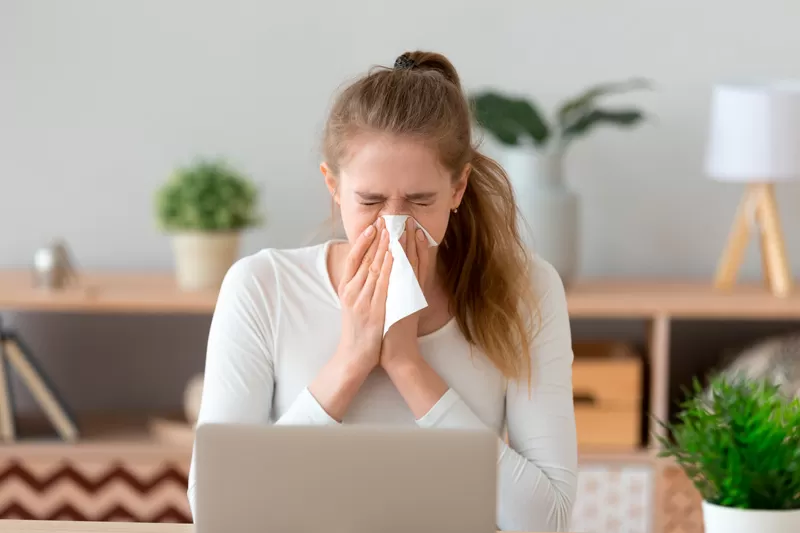
The Eurecat Reus technology centre is to kick off a study next January to assess the effects of probiotic supplementation on the symptoms of persistent allergic rhinitis and the quality of life of people affected who account for 21.5 percent of the population, with the greatest impact on young children and young people.
To be eligible for the study, participants have to meet a number of requirements. They include being aged between 18 and 60, having been diagnosed with persistent allergic rhinitis to dust mites for at least two years, and not having any gastrointestinal or autoimmune disease or anaemia.
The study is called microrin_2 and is to last three months. It will be run at Eurecat’s site in Reus opposite Sant Joan de Reus University Hospital. The email address estudis@eurecat.org and helpline 636 944 723 have been set up so that people who would like to take part can register as volunteers or ask any questions they may have.
“Given the close relationship between the immune system and the microorganisms found in our gut, the use of certain probiotics in the right amount could have a health benefit in general and also as an emerging treatment for preventing specific allergies,” says Dr Josep Mª del Bas, the director of the Nutrition and Health Technology Unit.
“The results may be helpful in advancing new treatments for the symptoms associated with persistent allergic rhinitis and thus in enhancing quality of life for people with the diagnosis,” he adds.
Treating and monitoring symptoms
Four visits will take place during the study, the first of which will assess suitability for participation. Selected individuals will then be visited the following week to receive the treatment and undergo a range of tests.
Two months after getting the treatment, there will be a third concluding visit where fresh tests and an evaluation of the symptoms associated with allergic rhinitis and their quality of life will be run. The final visit in the study will be made a month later to follow up on the symptoms and quality of life.
Probiotics and gut microbiota
The International Scientific Association for Probiotics and Prebiotics (ISAPP) says that probiotics are live microorganisms which when administered in adequate amounts bring a health benefit through their direct action on the community of microorganisms living in the digestive tract, what are called gut microbiota.
Numerous studies published in the scientific literature suggest that alterations in gut microbiota may be behind the development of allergic diseases. This could be related to alterations in the immune system of the intestinal mucosa.
Allergic rhinitis is a health problem characterised by inflammation of the nasal mucosa due to the immune system’s reaction to exposure to environmental allergens such as animal hair, feathers, pollen, dust mites and fungal spores in sensitised individuals. In Europe alone, confirmed cases of allergic rhinitis are estimated at between 17 and 28.5 percent with a prevalence of 22.7 percent. In Spain, allergic rhinitis affects 21.5 percent of the population with a greater impact on young children and young people.


