Contaminants of Emerging Concern (CECs) are invisible yet pose a growing challenge due to their potentially harmful effects to our water systems. From pharmaceutical residues to industrial chemicals, these substances are slipping through traditional treatment processes and ending up in the environment, including rivers, lakes, and even drinking water. While the problem is complex, solutions are within reach —especially when citizens, researchers, and decision-makers work together.
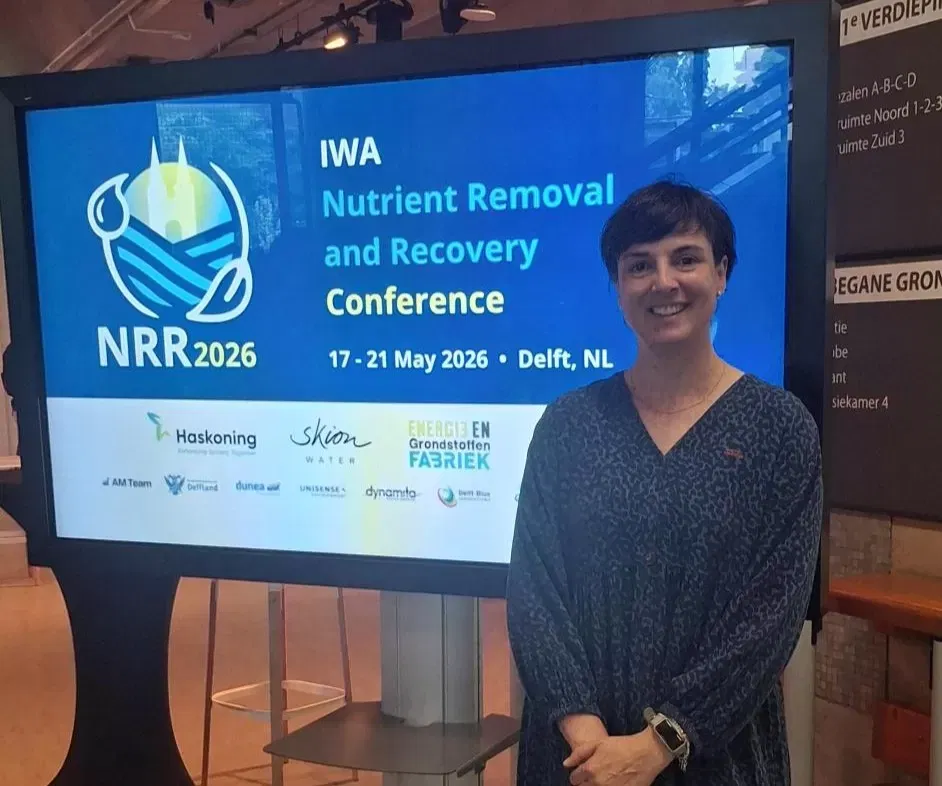
As part of the LIFE PRISTINE awareness campaign #PRISTINEWaterResilientFuture, we sat down with Mireia Marcé, Project Coordinator from ACCIONA, to discuss what CECs are, why they matter, and how this European project is combining cutting-edge technology and public engagement to tackle them.
In this Q&A, Mireia shares insights into the campaign, offers practical tips for reducing pollution in our daily lives, and explains why protecting water requires action from all of us.
What are Contaminants of Emerging Concern (CECs), and why should people care about them?
The term CECs refers to chemicals and other substances with an anthropogenic origin that, although being found in low concentration, can pose a risk to the environment and human health.
They are compounds such as pharmaceutical residues, personal care products, pesticides, or industrial chemicals, that can accumulate in aquatic environments. Due to their persistence and other properties, conventional water treatment processes do not fully remove them nowadays, so innovative technologies must be demonstrated, while CECs impact in the environment should be studied to fully understand their fate. We, as citizens, should be aware of the effect that these pollutants may pose to both nature and humans, even at low concentrations, and understand what is our hand to minimise its presence in the water streams.
What is the main objective of LIFE PRISTINE, and what is the project doing to tackle this problem?
LIFE PRISTINE is working on innovative and sustainable technologies to eliminate CECs from wastewater and drinking water. Furthermore, our social mission is also to inform and involve the public on this matter, which is also of key importance for the project. We want people to understand how their everyday actions contribute to the presence of these pollutants, and what we can do differently, in our households, our cities, etc., to reduce emissions.
Why is raising awareness among citizens so important in a project like LIFE PRISTINE?
Because technology alone isn’t enough, and small actions by citizens can have a big impact. So, a shift in how people think about their consumption habits and their role in environmental protection is needed. When the public understands how CECs travel from our homes to the environment, we become part of the solution. Our awareness campaign will help to bridge that gap by offering clear, accessible information and practical tips to minimise the emissions of CECs to the environment.

What are some habits people can adopt to reduce the release of CECs into the environment?
There are several simple actions that can make a big difference. For example:
- Never flush unused or expired medicines down the toilet or sink. Instead, take them to a pharmacy collection point.
- Choose eco-friendly cleaning and personal care products, when possible, as they tend to have fewer persistent chemicals.
- Avoid overusing products like disinfectants, antibacterials, and synthetic cosmetics, which often contain recalcitrant compounds.
- Wash your clothes only when necessary, using detergents with environmental certifications, whenever possible, at low temperature. Synthetic fabrics can release microplastics and chemical residues during washing.
- Be mindful of what goes down your drain, everything from hair dye to car wash runoff can end up in natural water bodies.
What legacy do you hope LIFE PRISTINE will leave?
I hope we leave behind both a proven technological solution and a more informed, proactive society. We want to show that it’s possible to reduce the presence of CECs in our water—through innovation, collaboration, and individual responsibility. Clean water is essential for life, and protecting it is a shared commitment.