

Development of new cocrystals of polyphenols with high bioavailability and evaluation of the protective effects of their combination against oxidative stress in exposure to radiation and physical exercise. Oxidative stress is caused by an imbalance between the generation of reactive oxygen species (ROS) and the antioxidant defence, and can cause significant harmful effects on cells, tissues, and organs. Studying and treating oxidative stress is necessary, since excessive ROS production is triggered in some of the daily or periodic activities, such as radiation exposure for medical reasons or endurance exercise. In this sense, some polyphenols have shown protective [...]

MICROGUT
EurecatIG2023-03-15T13:38:03+01:00Investigation of the nutritional quality and the interaction with the microbiota of new protein alternatives through the combination of new dynamic digestion technologies and Organ-on-Chip (OOC) intestinal modeling. The MICROGUT project aims to investigate the application of new OOC technologies for the recreation of the microenvironment of the human colon, including the microbiota and its interaction with the cellular and molecular component of the epithelium, optimising dynamic digestion systems to recreate the biochemical conditions in vitro, microstructure and fluidics of the three differentiated sections of the small intestine (duodenum, jejunum and ileum). MICROGUT will explore the [...]

LIFE MySOIL
EurecatMV2023-05-11T15:33:07+02:00Improvements in mycoremediation technology for the recovery of contaminated soils. The LIFE MySOIL project develops a competitive and innovative technology to demonstrate the feasibility of mycoremediation to full-scale configuration. Mycoremediation is a type of bioremediation that uses fungal inocula to degrade (or accumulate) pollutants. The advantage of mycoremediation is that it retains the benefits of bioremediation treatments, including low economic, social and environmental costs, while increasing the removal efficiencies up to similar figures of thermal desorption. Mycoremediation is a very widely studied technology at lab-scale and there exists a few experiences at bench-scale, a paucity of information [...]

EMAPS-CARDIO
EurecatMV2021-11-02T12:38:21+01:00Development of a new platform for growth and maturation of cardiac microtissues for adult-like organotypic models. The EMAPS-Cardio project proposes realistic heart models that can help to advance the understanding of several prevalent heart diseases, such as heart attacks and strokes, while striving to be sufficiently accurate to detect drug potency in both healthy and diseases tissues. To achieve this, biomimetic microenvironment, that provides all the needed stimuli, and biomechanical have been developed by combining electro-mechanoactive polymer-based scaffolds (EMAPS) with bioactive membranes. Currently, cardiovascular diseases (CVDs) account for 45% of deaths in Europe and are estimated [...]
ALTERNATIVE
EurecatMV2021-11-22T09:37:50+01:00Development of an innovative platform based on aged cardiac tissue model in order to evaluate the environmental toxicology of chemical mixtures. The ALTERNATIVE project is developing an in vitro platform with the objective to culture a 3D functional human cardiac tissue to evaluate the cardiotoxicity of chemical compounds and the impact of toxic substances on the population, especially in elderly and people with chronic diseases. The novel developed platform will enable regulators and industry to identify, quantify and prevent cardiotoxic co-exposures to industrial chemicals and pharmaceuticals in a cost-effective way. Additionally, the implementation of computational models [...]
BECA TORRES QUEVEDO
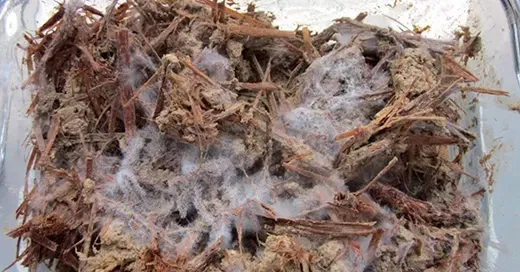
EurecatMV2021-11-03T14:39:20+01:00Development and standardization of the mycoremediation of hydrocarbon polluted soils. The Torres Quevedo project evaluates the performance of this technology in a systematically manner with soils of different texture, with different inoculum substrates addition and under different environmental conditions (temperature and humidity). One of the main outputs of the project is the release of a mycoremediation implementation guide to help companies and organisations during the application of this treatment. Mycoremediation is a technique which is currently under development. One of the principal obstacles to become a reference technology is the lack of consensus on the ideal [...]
EpiSars
EurecatMV2021-09-06T08:10:18+02:00Development of tools to understand the dynamics of infection by SARS-CoV-2, and for other potential pathogens in the future, through the methodology of epidemiology based on the analysis of wastewater. The EpiSars project optimizes molecular methodologies for the monitoring and evaluation of SARS-CoV-2 in wastewater from different sources, such as hospitals, residences or livestock production. The new solutions promoted by the project contribute in the short term to the control and prevention of coronavirus transmission, to the identification of emerging strains, to the surveillance of virus circulation and the impact of the vaccine, thus improving health [...]

PHENOLEXA
EurecatMV2023-03-13T17:52:55+01:00Development of benign cascade extractive biorefinery for converting agri-food side streams into high-value polyphenolic bioactives and functional fibres for pharma, cosmeceuticals, nutraceuticals and food products. The PHENOLEXA product has the objective to unlock the potential of polyphenols-rich agri-side streams (olive, grape shoots and leaves, chicory, and onion residues) to procure bioactive compounds of high value via the development of cascade smart biorefinery which combines pretreatment of the biomass with benign environmentally friendly green solvents extraction technology. According to Eurostat, the agricultural sector is the biggest producer of the residual biomass in Europe, generating annually approximately 400 [...]

PROCEED
EurecatMV2022-04-20T11:52:12+02:00Prediction and support system for the comprehensive management of the evolution and use of resources in pandemics situations. The PROCEED project aims to create an augmented epidemiological model to support decision-making through the collection, integration, and analysis of heterogeneous data sources (health, mobility, environment, wastewater and social). Within the framework of the project, a new system for predicting and supporting the comprehensive management of pandemics is developed and deployed, defined as a personalised infrastructure and offering tools that allow managers, clinical professionals and patients to access data, results, indicators, predictions and recommendation throughout the various stages [...]
Salt4Health
EurecatMV2021-02-10T09:03:26+01:00New product of natural origin which acts as a salty taste enhancer. The Salt4Health project has the objective to develop a new product of natural origin that can be used as a salty flavour enhancer and able to avoid the antihypertensive effects of salt. Nowadays, the increased production of prepared food, together with the new rhythms of life, are transforming in a very important manner the dietary patterns of society. Additionally, the offer of ultra-processed food, most of it with excessive levels of salt, is increasingly high and accessible. All this has caused that the consumption [...]

GLOMICAVE
EurecatMV2022-03-31T11:27:11+02:00New digital cloud-based genotype to phenotype platform relying on Big Data Analytics and Artificial Intelligence and using large-scale publicly available and experimental omics datasets. The GLOMICAVE project, coordinated by Eurecat, addresses the need to build systems that allow the use of primary data analytical processes and support large-scale omic experiments, thus maximising the utility of omic data at a massive level and increasing the understanding of biological systems as a whole. The new open platform developed by the project has the objective to assist experts and non-experts in identifying and understanding new links between genotype and [...]

LIFE INFUSION
EurecatMV2022-03-21T16:38:13+01:00New waste effluent treatment system to convert and recover useful and sustainable resources such as biogas, bio-fertilizers and regenerated water. The LIFE INFUSION project demonstrates and validates a new wastewater treatment purification system, based on the circular economy concept, which allows to recover sustainable resources such as biogas, regenerated water, nutrients or bio-fertilizers. LIFE INFUSION project has the main objective of improving the current treatment of wastewater from municipal waste treatment, through a series of technological processes that do not destroy the nutrients contained in these waters. With this innovative solution, which combines various biological treatment [...]

Red TecnomiFood
EurecatMV2024-07-12T15:18:28+02:00Network of omics technologies applied to innovation and industrial development of nutraceutical and functional foods. The Red TecnomiFood project, coordinated by Eurecat, aims to integrate omics technologies to facilitate the access to these tecnologies to the food industry and to optimise their use, at all stages of the value chain of the design and biological assessment of ingredients, nutraceuticals and functional foods. Currently, the use of omics sciences in the food industry is essential to face the trend towards personalisation of nutritional recommendations and to promote health, maintenance and optimisation of physiological functions and disease prevention. [...]

MED4Youth
EurecatMV2024-06-27T13:19:19+02:00Development of a multicentre clinical study and application of omics technologies to elucidate the link between the Mediterranean Diet (MD), the gut microbiota and beneficial health effects. The MED4Youth project has the aim to strengthen the link between the MD and the health benefits against youth obesity and associated cardiovascular disease (CVD) risk factors. The project has also the objective to elucidate whether the health effects of MD are associated with changes in gut microbiota and gut-derived metabolites. The clinical study developed uses ICT tools targeting 240 adolescents with obesity from three Mediterranean countries (Spain, Portugal [...]

Bio-Urostent
EurecatEQZ2019-04-01T09:49:25+02:00New urinary catheter with a dual functionality: antibacterial and preservation of the natural microbiota. The Bio-Urostent project is designing a solution for an uncovered clinical need that requires new technologies in the development of catheters that, on the one hand, have an interior coating to not only protect the device from bacterial colonization and the ensuing infection but also preserve the local microbiota at the same time. On the other hand, they have an exterior coating with a hydrogel base that protects the tissue of the duct, thereby preventing breaks, tears and inflammatory processes during the [...]