
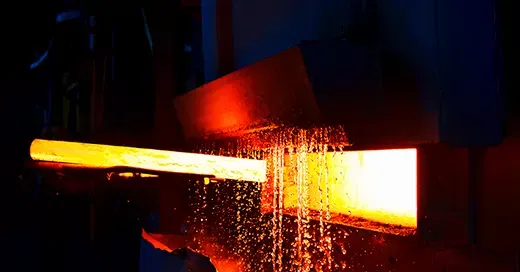
High-performance steels addressed to electric mobility sector obtained through the use of recycled material. Currently, the European industry and mobility is facing a two-pronged challenge: the need of obtaining materials with increasing performance and cost competitiveness, while at the same time, reducing their ecological footprint and foreign dependency. Affordable and indefinitely recyclable, high performance steel is an attractive solution to this conundrum. The ReMove project aims to obtain two advanced materials needed for electric mobility sector through material recycling routes: Boron steel for press hardening, a high-performance structural material which has become the current standard in [...]

PRECATEX
EurecatMV2024-12-10T10:13:52+01:00Design and development of a new generation of circular knitting machines with total and predictive quality control. The PRECATEX project implements an innovative total and predictive quality control system with the objective to allow the productivity of quality textiles and minimises defective production. This new system is achieved by using new techniques not currently implemented in the sector, such as new generation sensors and the integration of Predictive Quality Models. Eurecat, which participates in the project through its Applied Artificial Intelligence Unit, the New Manufacturing Processes Unit and the Functional Textiles Unit, is responsible for the [...]
VARTIP
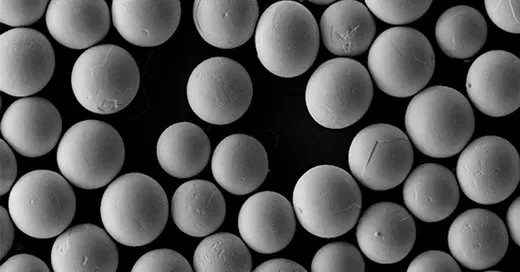
EurecatMV2021-02-26T08:25:06+01:00Recovery of titanium sheet waste to manufacture titanium metal powder through atomisation. The VARTIP project valorises titanium sheet metal waste with the objective to manufacture high-value titanium powder and promote its future commercialisation. In this sense, VARTIP is developing a centrifugal atomisation technology for high melting point metals, which will allow to manufacture spherical powders, an indispensable characteristic to accomplish in most of powder applications. The valorisation process consists in a direct transformation of the sheet scrap into powder by atomisation, without intermediate stages, which makes it a more energy-efficient and economically advantageous process. Eurecat participates [...]
GreenCAP
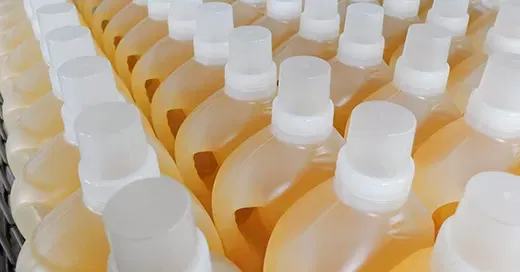
EurecatMV2021-01-25T08:54:21+01:00New microcapsules with perfumes for detergency and cleaning products that do not generate microplastics. The GreenCAP project pursues to improve the leadership and excellence of the Spanish company in the development of detergents and cleaning products that do not generate microplastics. In recent years, the application of microcapsules has spread widely in sectors as different as food, medical, cosmetic or textile due to the benefits that these systems present, with respect to the use of active compounds without encapsulation. However, current capsules contain non-degradable polymers and are defined as generating microplastics. This problem also affects the [...]

ERKSens
EurecatMV2021-01-20T15:35:54+01:00New device for the diagnosis and monitoring of haemoglobin and potassium for the detection and monitoring of chronic kidney disease. Currently, more than 90 million people in the EU have soe degree of chronic kidney disease (CKD), a condition in which kidney function deteriorates over time and can have very serious health implications, such as diabetes or high blood pressure. Early detection and management of this silent condition is crucial to avoid that patient’s health get worse and improve their quality of life. The ERKSens project develops an innovative haemoglobin-potassium sensor with the objective to improve [...]

FRAMEWORK
EurecatMV2020-10-28T10:53:55+01:00Innovative software infrastructure that allows the evaluation of the image quality for deep learning segmentation and classification algorithms. The Framework project has the objective to design and develop a new software infrastructure which allows the evaluation of images quality for deep learning segmentation and classification algorithms, allowing the quality measurement of the images according to the prediction accuracy of different deep learning algorithms. The innovations promoted by the project aims at the evaluation of the image quality from the satellites after being compressed and restored, to analyse to what extent the images can be modified so [...]

CYCLO-SLAG
EurecatMV2020-09-22T06:53:56+02:00New sustainable products through the transformation of ladle slag into high value-added products. The CYCLO-SLAG project develops an innovative and sustainable solution by transforming ladle slag into high value-added products with the aim to promote a sustainable approach and diversify the industrial sectors and markets for the final products. In this way, the use of ladle slag would be made profitable by turning it into a resource capable of generating income and, at the same time, reducing the costs associated with its management, increasing the competitiveness of the company and reducing the environmental impact of steel [...]

RECIBIL
EurecatMV2020-09-08T07:55:35+02:00Increase of the circularity of spent batteries from electric and hybrid vehicles and development of new identification protocols to give a new use for second-life batteries. The RECIBIL project promotes and increases the circularity of spent batteries from hybrid and electric vehicles and develops new identification protocols for second-life batteries, with life cycle analyzes. The project aims to help the different decision-maker agents (car manufacturers, second-life battery users, recycling companies, etc.), in the end-of-life management process of the electric vehicle fleet that is expected to be deployed at European and global level in the coming years, [...]

KERASTOP
EurecatMV2020-08-31T06:57:56+02:00In vitro diagnostic medical device through a Point of Care (PoC) system. The KERASTOP project aims to develop the first clinical test based on scientific evidence for early diagnosis of Keratoconus, a degenerative pathology of the cornea. The innovation of the project consists on the development of a new in vitro diagnostic medical device (IVDD) through a Point of Care system. The new medical device has been designed for an efficient, rapid, in situ and early detection of the two biomarkers associated with keratoconus, in patients who are candidates for laser refractive surgery. Eurecat participates in [...]

MICROESENCI
EurecatMV2019-11-18T08:19:31+01:00New microcapsules with antimicrobial and disinfectant effects for the sanitation of high-concurrency spaces. The Microesenci project investigates, develops and validates new microcapsules, which contain essential oils, with the objective to reduce the risks of infection in different risk situations and exposure spaces for vulnerable people, such as hospitals, elderly’s centres or collective transports. In addition, the polymers used in the microcapsules developed within the project are biodegradable and comply with the environmental policies of the European Union and the United States governments. Microencapsulation is a technology that allows applying active ingredients to different types of materials, [...]

GDO2Clim
EurecatMV2019-09-12T14:25:41+02:00Software energy management tools to improve and optimize the energy efficiency of HVAC facilities in the tertiary sector. GDO2Clim project, ended in January 2018, has contributed to improving energy efficiency, energy demand management and to the promotion of the production of renewable energies. The tools developed also allow the supervision of the installation performance and offers an approximation of its lifetime. During the GDO2Clim project, two modules focused on climate generation units have been developed: a Module Energy Supervision of Facilities (of air conditioning) and Optimization of the Demand Curve (OpCD) and a Module of Analysis [...]

INNOPLASMED
EurecatMV2019-08-30T06:52:49+02:00Advanced coatings obtained via high energy plasma technologies for biomedical applications. INNOPLASMED develops advanced and innovative coatings to solve chemical, mechanical and biological stability problems identified in prostheses, implants and other surgical instruments. The long-term clinical success of these biomedical solutions can be improved by the application of the advanced coatings developed in this project. The coatings created by INNOPLASMED are processed by means of the development and industrial implementation of two innovative techniques based on high energy plasmas: the High-Power Impulse Magnetron Sputtering (HIPIMS) and Plasma Immersion Ion Implantation and Deposition (PIIID). The project, led [...]

PREDIVIA
EurecatMV2019-11-27T12:21:36+01:00System for detection and diagnosis of mechanical failures based on acoustic emissions for a predictive maintenance in railway deviation systems. Predivia has developed technologies that allow the detection and monitoring incipient issues of cracks in critical elements of the railway infrastructure, as well as forecast their evolution, allowing to predict the fracture of the component once a crack is detected. The Predivia innovation allows to continuously supervision of railway infrastructure elements in order to substantially increase the infrastructure’s security, as well as reduce the operation and maintenance costs, maximising the availability of the infrastructure, increasing its [...]

BIOPLASMA
EurecatMV2019-11-13T15:03:08+01:00Development of innovative coating and surface treatment technologies for biomedical applications obtained by means of vacuum plasma assisted deposition techniques. The BIOPLASMA project develops advanced and innovative coatings for biomedical applications, such as prosthesis or implants, with the aim to improve the biological response of these components, eliminating the clinical and surgical complications derived from both chemical and mechanical lack of biocompatibility and biostability. The solution of BIOPLASMA develops coatings with good wear resistance, a high hardness and adhesion, a low coefficient of friction and good antibacterial properties, among other improvements. To obtain these innovations, different [...]

AMFEED
EurecatEQZ2025-12-17T15:19:10+01:00AMFEED aims to design and manufacture new materials to be used with additive manufacturing techniques to create metal and ceramic parts characterised by their controlled porosity level through sintering processes. These pieces are designed for high-added-value applications, such as healthcare or microelectronics. The project uses methods based on the FFF (Fused Filament Fabrication) technique, develops new materials previously unseen on the market ad hoc (filaments with high metal/ceramic content and ceramic pastes), and adapts machinery to this new solution and new applications. FFF technology will provide a controlled way to design and define the internal pores [...]